Cloud, on-premises or hybrid: where should industrial AI run?
Organizations are bringing sensitive AI work back onto their own servers. Four questions to decide where each workload should run.
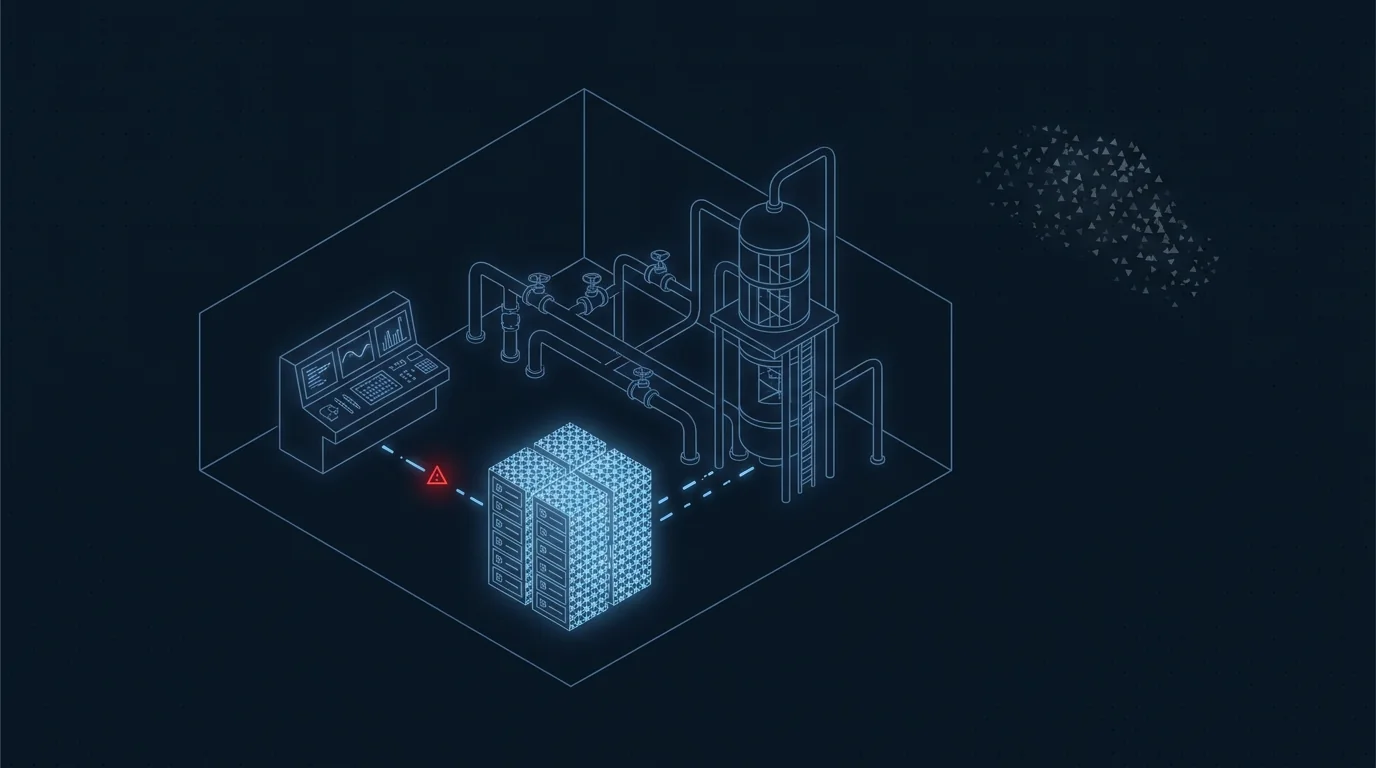
In the first years of generative AI, most projects started in the public cloud: they were quick to start and needed no hardware. Now that AI has moved from experiments into daily work, many organizations are bringing sensitive workloads back onto their own servers. It is not a reaction against the cloud. They simply know better where each job runs best.
The right question: where does this job run best?
Choosing between cloud-first and on-premises-first is the wrong question. Each AI workload should be judged on its own, and four questions settle most decisions:
- How sensitive is the data? If the data must not leave the organization, such as control-system data, process drawings or confidential documents, the model has to run next to it.
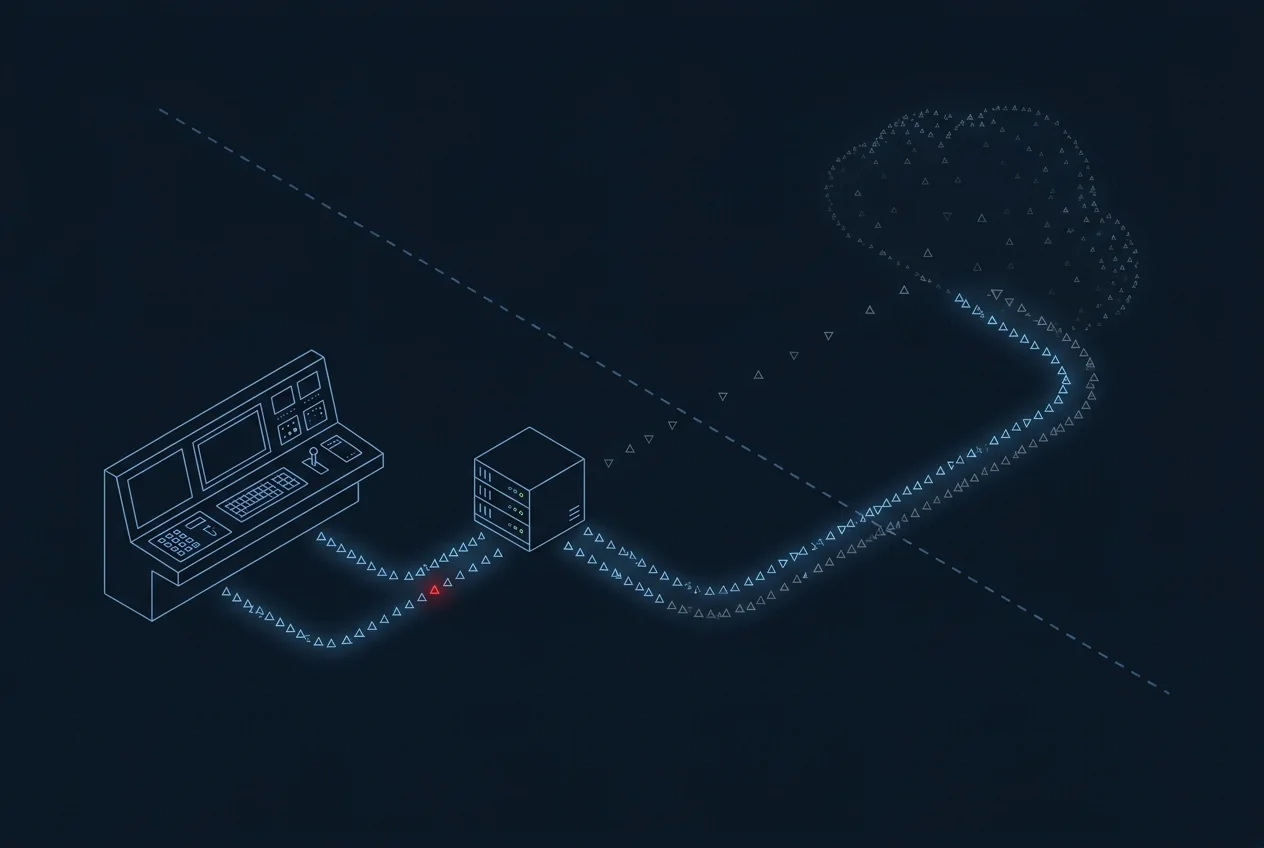
- How fast must the answer arrive, and how reliable is the connection? A prediction that has to reach a control-room operator within seconds cannot depend on the quality of an internet link.
- What do laws and regulations require? In many industries and countries, where data is stored and processed is defined.
- Is the cost steady or bursty? A job that runs every day at a steady volume usually has a more predictable cost on your own hardware. A job that needs a lot of computing only now and then is cheaper in the cloud.
In industry, the answer is often on-premises
Plants have features that tip the balance toward running AI on site. The control-system network is usually separated from the internet, and for safety it must stay that way. A quality prediction or a setpoint recommendation is worth something only if it reaches the control-room screen in time. Many industrial sites have limited or unreliable internet. And process data is technical know-how that the plant's competitive edge depends on.
That does not leave the cloud without a role. For testing an idea on non-sensitive data, or for jobs that need heavy computing only occasionally, the cloud is a good choice. Many organizations end up with a mix of both.
| Workload | Best place | Why |
|---|---|---|
| Quality prediction and setpoint advice beside the operator | In the plant | Response time, a separated control network, sensitive data |
| Questions and answers over technical and confidential documents | On-premises | The data must not leave the organization |
| Testing an idea on public or non-sensitive data | Cloud | A quick start without buying hardware |
| Heavy, occasional jobs | Cloud or hybrid | Pay only for what you use |
When AI starts to act
A new generation of AI systems does not just answer; it acts, sending a report or starting a process, for example. The more a system is allowed to do, the more it matters to know exactly where it runs, which data it can reach and what it has done. Running it in an environment the organization fully controls makes that transparency simpler.
Vakav's view
Vakav's products were designed from the start to run inside the organization. The VAI platform is installed on a server in the plant and connects directly to the control system, and Vakav Autonomous is a knowledge assistant that works without an internet connection. In our view, the return to on-premises AI is not a step back; it is a sign of maturity.
If you want to work out which of your workloads should run where, talk to us.